Features
Scenic rail patterns worth copying: ridge runs, overnight legs, and more
Thirteen repeatable patterns for a scenic weekend by train, from ridge-and-river runs to overnight legs, with the conditions each one needs to work.
What to take away
- These are trip shapes, not endorsements of named routes or operators. Match a shape to what your local network can actually deliver.
- Scenery is a function of daylight, season and which side of the train you sit on, far more than of the route's reputation.
- Every shape below has a failure condition. Read that first, then decide.
- Confirm operating dates and daylight hours against the current timetable before you commit money.
Thirteen patterns worth copying
- The one-way ride, the return by other means.Take the scenic direction by train and come back the fastest way. Removes the pressure to enjoy the same view twice. Fails if the return is slower or costlier.
- The out-and-back day.One long daylight run, a few hours at the far end, and the evening train home. No lodging, no packing. Fails if the far end has nothing to fill the gap.
- The river run.Follow a watercourse, because rail engineers followed water grades before they tunnelled hills. Fails if trees hide the water.
- The ridge crossing.A single pass or summit as the centerpiece, with everything else treated as approach. Fails if the pass is in cloud or darkness.
- The overnight leg.Sleep through the dull section and wake into the good one. Trades comfort for daylight. Fails if the overnight leg is too short.
- The two-station walk.Ride out, walk between neighboring stations along a public path, ride back from the second. Fails if the walk outlasts daylight.
- The heritage operation weekend.Anchor on a seasonal or volunteer-run line and build a regular-service trip around it. Fails if the heritage line runs on wrong dates.
- The city pair.Two places on the same corridor, one night in each, with the ride between them as the scenic part. Fails if lodging is far or the ride is at night.
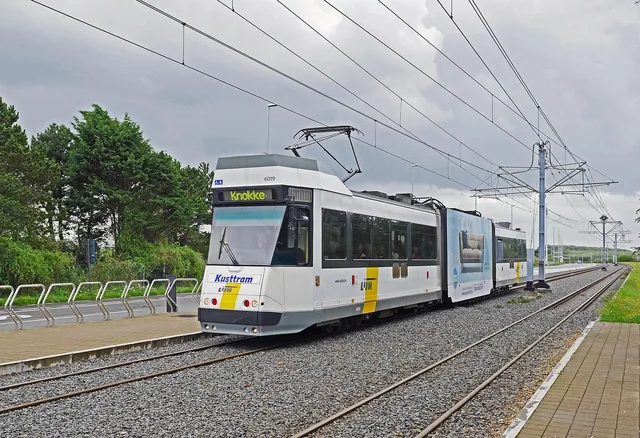
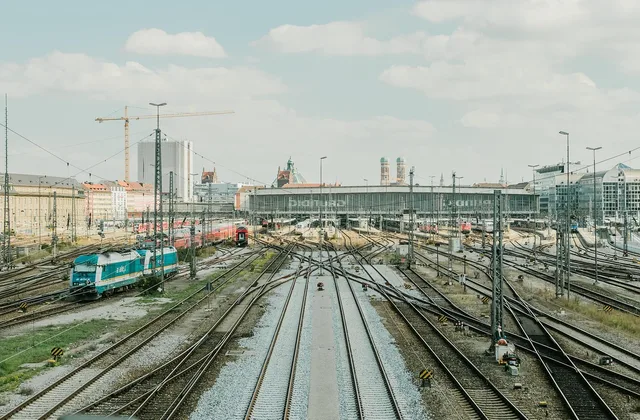
- The industrial route.Ports, yards and bridges rather than mountains. A genuinely different kind of looking. Fails if the industrial view is fenced.
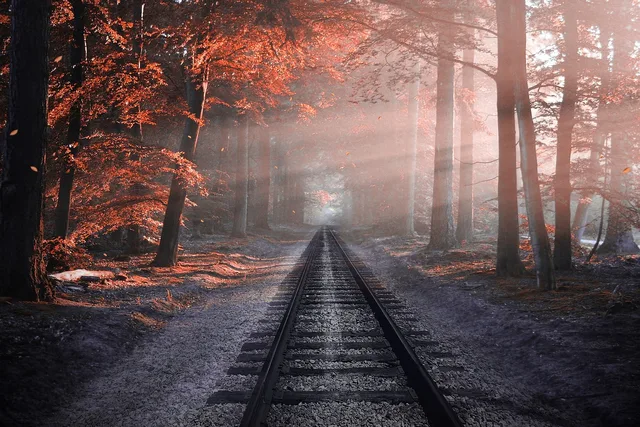
- The autumn window.A three-week seasonal target chosen for foliage or light, booked far ahead. Fails if peak foliage misses your date.
- The winter clear-air run.Cold, sharp visibility, short daylight. Works only where the service runs reliably in snow. Fails if snow cancels the train.
- The festival anchor.A dated local event that gives the weekend its reason, with the train as the arrival. Fails if the event sells out first.
- The slow return.Fast out on Friday, slow and scenic back on Sunday, so the last day is the good one. Fails if the slow return runs only on weekdays.
US corridors and regions that fit these shapes
- One-way and slow return
- Coast Starlight, Los Angeles to Seattle.
- Out-and-back day
- Pacific Surfliner, Los Angeles to San Diego; Downeaster, Boston to Portland.
- River run
- California Zephyr on the Colorado River; Cardinal through New River Gorge.
- Ridge crossing
- Southwest Chief over Raton Pass; Empire Builder over Marias Pass.
- Overnight leg
- Crescent or Silver Meteor, Northeast to the South.
- Two-station walk
- Metro-North Hudson Line, Cold Spring to Beacon.
- City pair
- Capitol Corridor, Sacramento to Oakland; Piedmont, Raleigh to Charlotte.
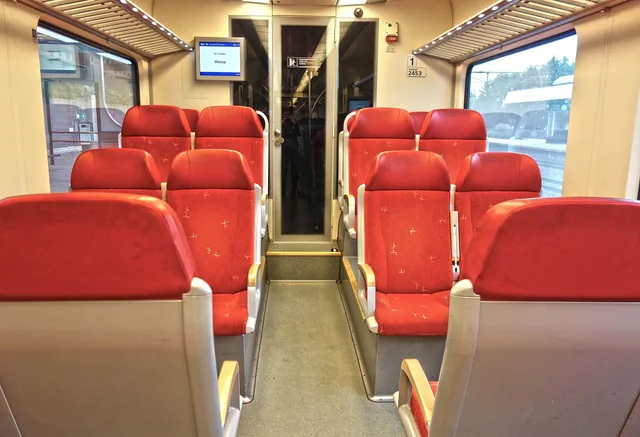
Seat side by shape: river run, water side; ridge crossing, the side the grade climbs; coastal run, ocean side; industrial route, yard side. Overnight leg, morning-light side if you wake early; city pair, either side.
Daylight, direction, seat side, frequency, and operating days
The deciding variables are the same every time: daylight hours in your window, direction of travel relative to the sun, seat side, service frequency, and whether the line runs on both days of your weekend. A shape that fails one of those is not a shape you can use this month.
To check a specific US route, open the operator's timetable and the station pages for both endpoints. Amtrak lists scheduled arrival and departure times for each stop.
Compare those times with a daylight calculator for the date and latitude. In the northern US, late December gives about 9 to 10 hours of daylight and late June about 15; in the South, about 10 to 14. Those are typical ranges.
Then confirm operating days. Long-distance trains often run daily, but corridor and seasonal services can run weekdays only or on specific dates. If the route runs only one day of your weekend, the shape fails.
For sleepers, book early in summer and around holidays, because rooms sell out and the accommodation charge is separate from the rail fare.
Deciding Variables for Rail Shapes
Daylight hours in your window?
shape may work
shape fails this month
FHWA's road weather program keeps a public set of frequently asked questions on how weather affects travel.
Why the line bends where it does
Almost every scenic line exists because somebody needed to move something, and grades follow rivers because water found the easy way first. Odd curves exist because a landowner refused to sell.
FHWA's highway history gallery preserves decades of federal transportation photography.
From shape to plan: let the timetable decide
Pick two shapes and test both against the timetable. Let the timetable eliminate one. Do not schedule a scenic weekend like a city break.
That is the whole argument behind planning a scenic trip without rushing it. If a longer holiday is the real plan, several of these shapes work better as additions to a bigger trip.
Common questions
Why no named routes?
Which shape suits a first attempt?
Which side of the train should I sit on?
Is an overnight leg worth the cost?
In this guide
- What the premium seat really costs on a scenery-first rail weekendPremium seat fares on a scenery-first rail weekend, what each upgrade buys, and how the total compares with driving or flying the same route.
- Slow travel by train: pace a scenic rail weekendPlan slow travel by train with a daylight Coast Starlight segment, schedule-aware slack, fixed points, and a drop list for an unhurried rail weekend.
- Seasonal rail travel: daylight, foliage and trip planningSeasonal rail travel planning for a scenic weekend: check daylight, foliage windows, heritage-line seasons, and winter weather risks before booking.
- 5 details of rail packing list people missA rail packing list for a scenery-first weekend, with a seat kit, battery care, layers, easy food, and a bag you can manage from station to lodging.