Features
Part of Planning train weekends: purpose, shortlist, one cut
Train photography tips for a U.S. rail weekend
Train photography tips for a U.S. rail weekend, covering window reflections, seat-side light, public vantage points, camera support, and pre-trip drone checks.
What to take away
For train photography on a U.S. rail weekend, match your seat and shooting setup to the view.
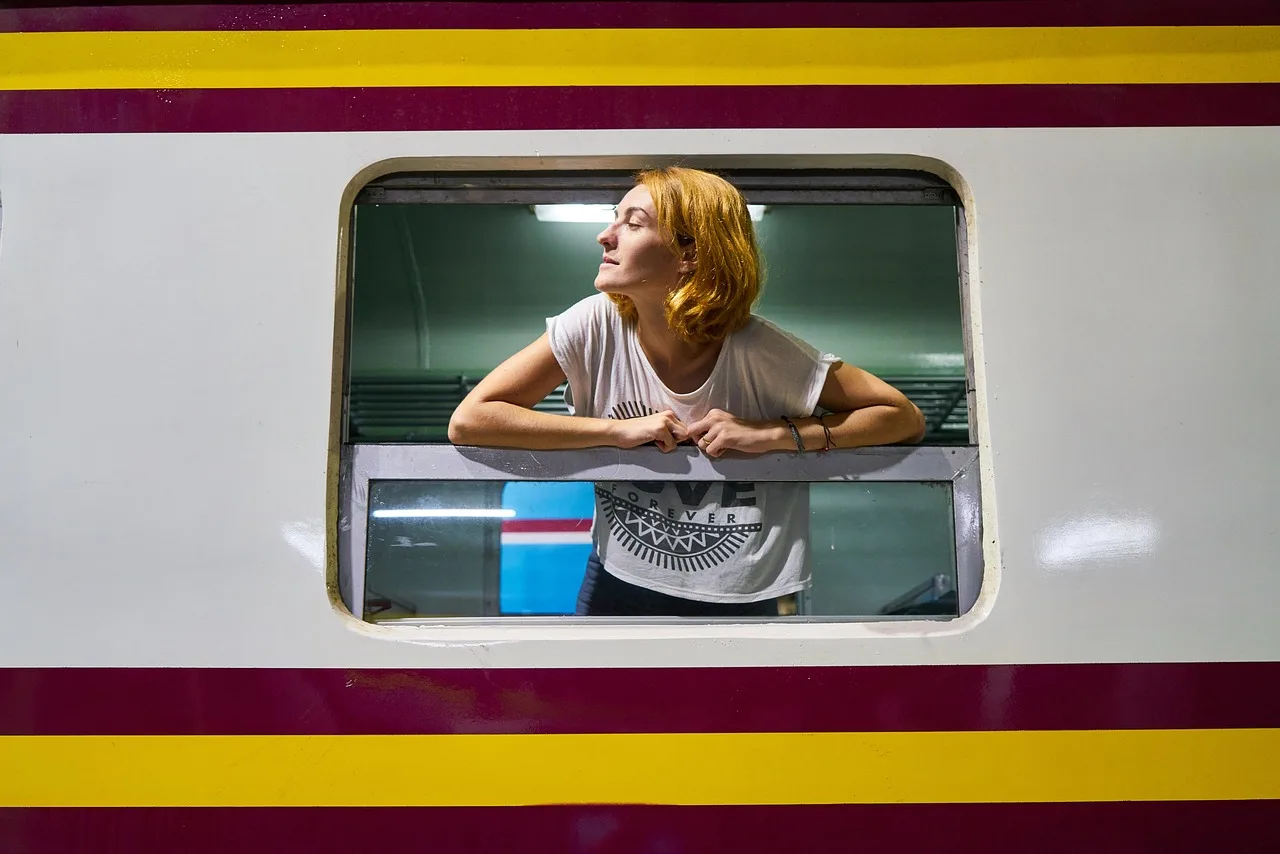
- Shoot through glass deliberatelya lens hood pressed to the window kills most reflections without any accessory.
- Pick the seat side by the result you want, detail or silhouette, and keep the shutter fast.
- Stay on public land and off railroad property. The good angle is never worth a trespass charge.
- If a drone is part of the plan, check the rules and the airspace before the trip, not at the lineside.
Choose the seat side and the shutter speed
Sit on the side the light is not on if you want detail, and on the sunny side if you want silhouettes and reflections. Daylight changes with the calendar, so the season matters too.
| You want | Sit on | What you get |
|---|---|---|
| Detail | The side the light is not on | Even light on the scenery |
| Silhouettes and reflections | The sunny side | Dark shapes and bright glass |
Shutter speed does more for a moving-train frame than any other setting. Anything slower than a thousandth of a second turns lineside fence posts into mush, so fix the shutter first and let the aperture and sensitivity follow.
Handle the glass before the good stretch
Train windows are dirty, and the glass is half the battle. A short routine before the scenery arrives beats fixing a ruined frame afterward. Read the Amtrak timetable in advance, so you know when the stretch you came for is due and the window is ready.
- Clean a patch of the window with a microfiber cloth before the good stretch arrives, not during it.
- Turn off any interior light source you control.
- Wear dark clothing, so you do not reflect in the glass.
- Press a dark cloth or a folding rubber hood against the carriage window to cut reflections.
- Keep the lens as close to the glass as you can without touching it, since vibration transfers straight into the frame.
Leave room in the plan for the stretch you came for. A slower itinerary gives you time to settle in the right seat before it arrives, rather than moving mid-corridor with a camera out.
Know where you may stand
Photograph from platforms where you are ticketed to be, from public roads, and from public land. Do not cross tracks, step beyond the yellow line, or photograph in a way that requires a staff member to intervene.
Railroad property is not open ground, and a good angle there is never worth a trespass charge. Ask before photographing employees at work.
Station security staff sometimes ask questions, so be straightforward, show what you are shooting, and move on. Most of these conversations end quickly when you are visibly a hobbyist standing where passengers stand.
Support gear is an etiquette question too. A tripod is unusable on a moving train and awkward on a platform, and a monopod is welcome in some places and not in others. TSA lists a camera monopod as permitted in both carry-on and checked bags for air travel, with the usual caveat that the officer at the checkpoint makes the final call.
Rail operators set their own rules about blocking aisles, so ask rather than assume. The carry-on rules for a U.S. weekend train cover what fits at your seat.
Check the sky before you fly a drone
Drones change the planning entirely. The FAA's guidance for recreational flyers sets out the exception for limited recreational operations, requiring you to pass The Recreational UAS Safety Test and carry proof of completion while flying.
The FAA advises assuming stricter Part 107 rules apply whenever a flight's purpose is unclear. Registration, remote identification and airspace authorization are separate requirements to check before you travel.
Local rules add to federal ones. State parks, city ordinances and railroad property rules can all prohibit launching or landing where the airspace itself is open. Work that out at home, rather than discovering it at the trackside, as part of the weekend plan.
If a tour is doing your itinerary, ask what its photography policy is when you compare organized trips.