Costs
Part of Scenic rail patterns worth copying: ridge runs, overnight legs, and more
What the premium seat really costs on a scenery-first rail weekend
Premium seat fares on a scenery-first rail weekend, what each upgrade buys, and how the total compares with driving or flying the same route.
What to take away
- On a scenery-first rail weekend, the premium seat is the line that moves the total most. On the Pacific Surfliner, business class runs roughly $15 to $25 above coach on a Los Angeles to San Diego leg.
- Coach fares on that Pacific Surfliner leg typically run $36 to $44 one way, and business class $51 to $69, as of 2026.
- On the Cascades and the long-distance trains, the gap between coach and premium runs wider.
- A roomette on the California Zephyr or Empire Builder is sold as accommodation, not as a seat. The fare covers meals in the dining car.
- Lodging and food are smaller and easier to control than the seat line.
- Compare door to door. Driving hides its cost in fuel, tolls, parking and a night you did not plan to buy.
- Daylight is the scarce resource. A seat that buys daylight hours is worth more than a cheaper seat that does not.
What the premium seat actually costs
Amtrak sells the upgrade two ways, and they are not the same product.
Premium seat upgrade costs
Corridor business
- Typical premium
- $15-$25
- What it buys
- Seat, legroom, drink
- Example route
- LA-San Diego
- Coach fare
- $36-$44
- Total fare
- $51-$69
Long-distance roomette
- Typical premium
- $400-$1,800
- What it buys
- Room, meals, bed
- Example route
- LA-Seattle
- Coach fare
- Not applicable
- Total fare
- Varies by season
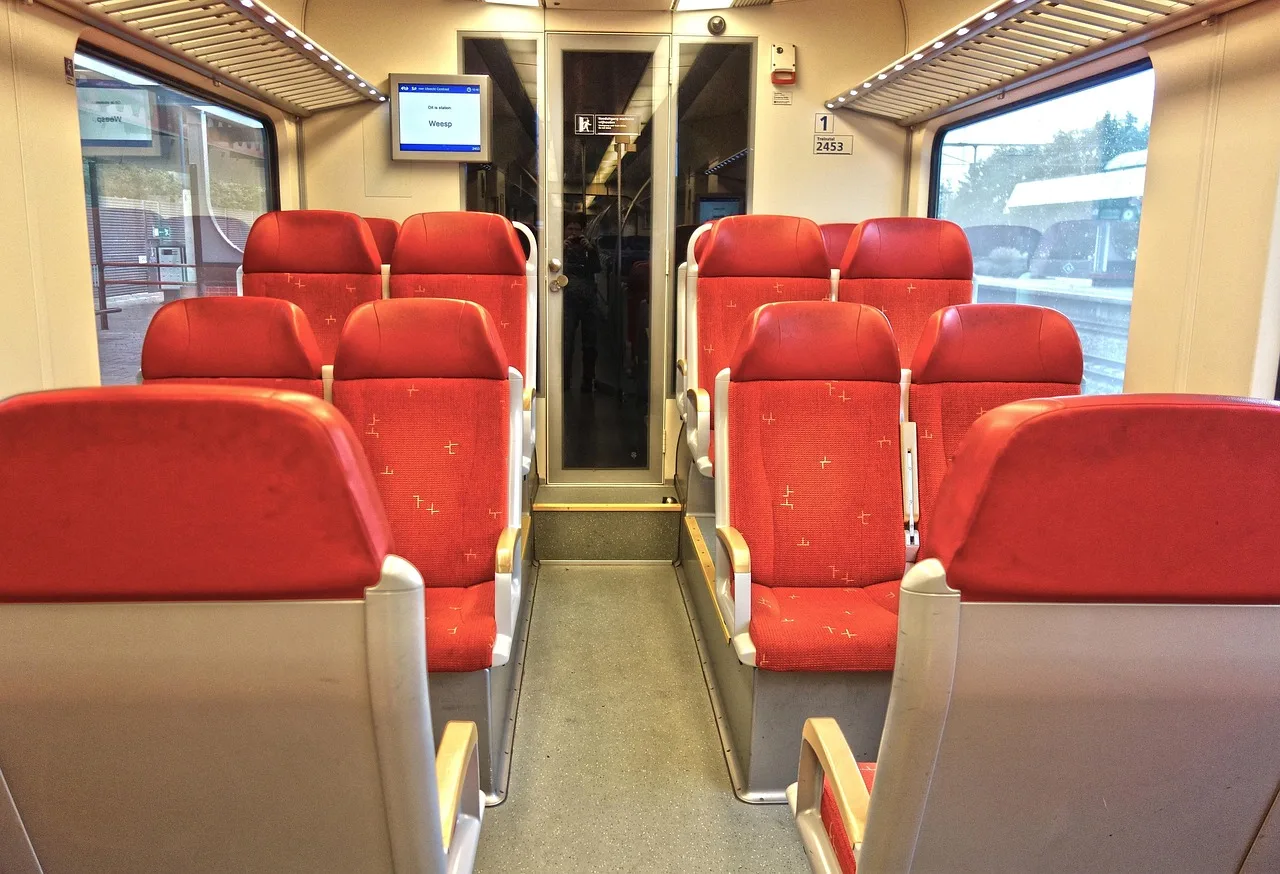
On corridor trains, business class is a seat upgrade. On the Pacific Surfliner a business class ticket typically runs $15 to $25 more than coach for Los Angeles to San Diego.
The fare includes a reserved seat, more legroom and a complimentary drink. Coach on that leg often costs $36 to $44 one way, so the business seat lands near $51 to $69.
On the Cascades, business class adds a similar margin over coach on the Seattle to Portland run and includes a $6 food and beverage credit. Coach fares there often fall between $27 and $45. Business class there often runs $42 to $75.
On the long-distance trains, the upgrade is a room. A roomette on the California Zephyr or the Empire Builder is priced as accommodation, and the fare covers meals in the dining car for the room's occupants. A bedroom costs more again and adds a private toilet and shower.
A one-night Coast Starlight roomette from Los Angeles to Seattle often prices from $400 to $900. A two-night roomette on the California Zephyr from Chicago to Emeryville often runs $900 to $1,800. A bedroom on those routes often adds $300 to $800.
Those figures move with demand and season. Check current fares on Amtrak's route pages before you commit, because a Superliner roomette in July and the same room in February are different purchases.
Typical premium over coach
- Pacific Surfliner business class, Los Angeles to San Diego
- $15 to $25 one way; coach often $36 to $44
- Amtrak Cascades business class, Seattle to Portland
- $15 to $30 one way; coach often $27 to $45
- Coast Starlight roomette, Los Angeles to Seattle
- $400 to $900 typical one-night fare
- California Zephyr roomette, Chicago to Emeryville
- $900 to $1,800 typical two-night fare
- Empire Builder roomette, Chicago to Seattle
- $1,000 to $2,000 typical two-night fare
- Bedroom, long distance
- $300 to $800 more than a roomette
- Second night of lodging
- One hotel night, often $150 to $250
What it buys
- Pacific Surfliner business class, Los Angeles to San Diego
- Reserved seat, legroom, one drink
- Amtrak Cascades business class, Seattle to Portland
- $6 food and beverage credit, more legroom
- Coast Starlight roomette, Los Angeles to Seattle
- Flat bed, dining car meals, a door
- California Zephyr roomette, Chicago to Emeryville
- Flat bed, dining car meals, a door
- Empire Builder roomette, Chicago to Seattle
- Flat bed, dining car meals, a door
- Bedroom, long distance
- Private toilet and shower
- Second night of lodging
- A full second day
Skip it when
- Pacific Surfliner business class, Los Angeles to San Diego
- The train is half empty and coach seats are open
- Amtrak Cascades business class, Seattle to Portland
- You board after dark and sleep through the run
- Coast Starlight roomette, Los Angeles to Seattle
- All the good scenery falls after dark
- California Zephyr roomette, Chicago to Emeryville
- You plan to sleep sitting up and skip meals
- Empire Builder roomette, Chicago to Seattle
- You want hotel stops along the route
- Bedroom, long distance
- You are traveling alone and sleeping sitting up is fine
- Second night of lodging
- The return train leaves before noon
For a two-day, one-night Pacific Surfliner weekend, a coach traveler often pays $72 to $88 round trip, $150 to $250 for a hotel, and $80 to $140 for food, or about $300 to $480 total. The same trip in business class often totals $330 to $530. The premium seat adds $30 to $50.
For a two-night roomette run, the roomette fare covers meals, so the weekend total is mostly the fare plus a hotel night at one end. A California Zephyr roomette weekend often totals $1,050 to $2,050 for one person. A bedroom weekend often totals $1,500 to $3,000.
Comparing the total against driving or flying
The honest comparison is door to door, and it has to include the costs that do not appear on a fare page.
Door-to-door cost comparison
Driving
- Base cost
- $30-$50 fuel/tolls
- Extra costs
- $20-$40 parking
- Time
- Longer than map
- Scenery
- Road view
Flying
- Base cost
- $120-$250 flight
- Extra costs
- $40-$80 transfers
- Time
- Fastest
- Scenery
- None
Train
- Base cost
- $51-$69 business
- Extra costs
- Included in fare
- Time
- Scenic hours
- Scenery
- The point
Driving looks cheap because its costs are diffuse: fuel, tolls, parking, and the wear you never itemize.
The same corridor by car often takes longer than the map suggests once you count stops. For Los Angeles to San Diego, fuel and tolls might run $30 to $50 each way, and parking at a hotel often adds $20 to $40 a night.
FHWA's Traffic Volume Trends for December 2023 reports monthly estimates of travel on all US public roads, broken out by region, which is the scale the road network runs at.
Flying trades scenery for speed. A round-trip flight between Los Angeles and San Diego often runs $120 to $250, plus $40 to $80 for airport transfers and bags.
The FAA reports its air traffic organization handles more than 44,000 flights and over three million passengers a day across more than 29 million square miles of airspace, on fiscal year 2024 figures.
On a scenery weekend, that speed is beside the point. You are buying the hours, not saving them, so the fare you are comparing is the price of the view.
Keeping the total sensible
Carry breakfast and one full meal. Choose lodging at the end where you have a full evening, not both ends. Book the seat early and the food late. Put the money you saved on lodging into the seat, not the other way around.
Amtrak weekend costs break into transport, stays and tickets, and the transport line is the one you can still change after booking.
Those patterns a scenic weekend can follow help, and packing decisions feed back into food costs, so read what to carry on a scenery-first trip before shopping.
Common questions
Is a scenic route always more expensive?
Not per mile, but usually per weekend, because you spend longer on it and pay for a better seat. The premium seat is the line that grows fastest.
Should I book the observation car separately?
Where one exists, access rules vary by operator and fare. Ask rather than assume it is included.
Is one night enough?
For an out-and-back with a long daylight ride, often yes. For anything crossing a mountain range, plan two.
What is most often underestimated?
Food across a full travel day, followed by the cost of changing a seasonal-service ticket.