Guides
Part of A realistic price guide for any rail weekend, line by line before you book
Same rail weekend planned at three spending levels, from no overnight to two nights
Two-day itinerary built around a fixed budget: the same rail weekend planned at three spending levels, showing exactly which choices move the total and which ones.
What to take away
- The same two-day weekend, New York to Hudson, New York, costs roughly $80 to $120 with no overnight and $255 to $410 with one night. Two nights plus a reserved seat run $510 to $840. Every figure is a typical range, not a quote.
- Lodging nights move the total more than any other line. A walkable in-town room adds a typical $150 to $240 a night.
- The fare bucket is the second lever. Saver against Flexible on the same seat can differ by more than a dinner for two.
- Cutting the buffer is not a saving. Hold ten percent back for the return day.
Where these numbers come from
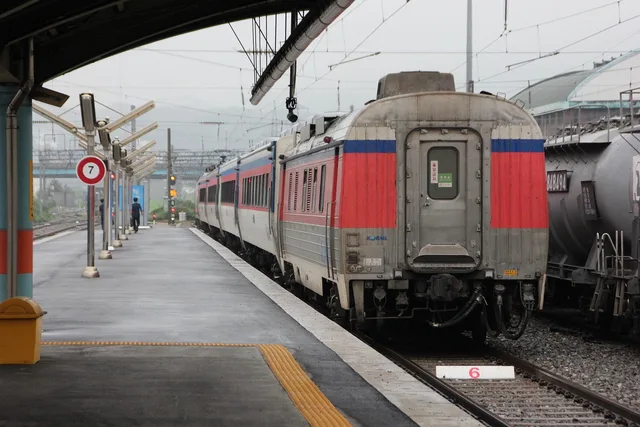
Amtrak's Empire Service runs from New York Penn Station to Hudson, New York in about two hours, and the platform sits a few blocks from Warren Street. That pair carries every figure below. Wikipedia's background on Amtrak shows how the corridor fits the wider network.
Fares on this leg typically run $30 to $45 each way in the Saver bucket, and higher in Flexible. Buckets change as seats sell, so treat these as ranges and check the day you book.
Level one: no overnight
First train out, last train back. No room, no checkout, no packing beyond a day bag.
- Two Saver fares
- a typical $60 to $90.
- Access to your home station
- $0 to $12.
- One bought item on the way home
- $12 to $20.
- Typical total
- $80 to $120.
The saving is the room you never book. The cost is the evening, which on this corridor is why people go. For a day trip with a stronger evening, read how to treat a corridor as a chain of stopover towns before choosing the station.
Level two: one night within walking distance
Level two: one night
- Two Saver fares
- a typical $60 to $90.
- One in-town night
- $150 to $240.
- One sit-down dinner
- $30 to $55.
- Meals and incidentals
- $15 to $25.
- Typical total
- $255 to $410.
The saving here comes from position, not rate. A motel two towns out usually erases its own discount once two taxi fares land on the bill.
Level three: two nights and a better seat
Level three: two nights
- Train, with one upgrade each way
- $110 to $180.
- Two in-town nights
- $300 to $480.
- Two sit-down dinners
- $60 to $110.
- Meals and incidentals
- $25 to $40.
- One paid attraction
- $15 to $30.
- Typical total
- $510 to $840.
Friday night turns Saturday into a full day. The upgrade buys the correct side and a table, which matters on a leg over three hours. Premium seats on a scenery-first weekend carry their own price logic.
The three totals side by side
Nights
- No overnight
- 0
- One night
- 1
- Two nights, upgraded seat
- 2
Train
- No overnight
- $60 to $90
- One night
- $60 to $90
- Two nights, upgraded seat
- $110 to $180
Lodging
- No overnight
- $0
- One night
- $150 to $240
- Two nights, upgraded seat
- $300 to $480
Meals and incidentals
- No overnight
- $12 to $32
- One night
- $45 to $80
- Two nights, upgraded seat
- $85 to $150
Typical total
- No overnight
- $80 to $120
- One night
- $255 to $410
- Two nights, upgraded seat
- $510 to $840
The step from one level to the next is not even. Moving from no overnight to one night is the largest jump in dollars. Moving from one night to two buys comfort and time rather than a new destination.
What moves the total, in order
- Count the nights first. Each one adds a typical $150 to $240, more than any fare decision.
- Check the fare bucket before the room. Saver and Flexible on this leg can differ by $60 round trip.
- Fix the home-station plan. Weekend parking and Sunday bus frequency decide whether the train really starts at your door.
- Set food to one bought meal a day and let the rest ride.
The false economy is a cheap room far from the station, or a cheap fare with no flexibility on a once-daily route.
Price all three versions against the six-line price method before you commit to any of them. The method forces every line onto the page, including the ones people forget.
Example: one seat, two buckets
Saver both ways on this trip costs a typical $70. Flexible both ways costs a typical $130. The $60 gap equals a dinner for two, and on a route with one return train a day the flexible fare is insurance you may never collect. Book Saver and hold a ten percent buffer instead.
Getting to your home station
Check the weekend rate at your station lot, the Sunday frequency of any bus that reaches it, and the departure time of the last return train. That last detail decides whether you need a taxi.
Two nights of suburban lot parking typically run $20 to $50. A drop-off from a friend costs nothing, and a station on a frequent bus line beats both.
Meals and the empty flask
One bought meal a day is the plan. Carrying breakfast and lunch takes a typical $40 to $70 off a two-day total. Take an empty flask: TSA confirms an empty coffee thermos clears a checkpoint and can be filled afterwards.
Baggage makes a related point. Your carry-on rides free on Amtrak, unlike most airline fares. Rail fares are built differently from airline fares, and the bag rules prove it.
Booking the same weekend in Canada
VIA Rail's Quebec City to Windsor corridor uses the same three shapes and much the same arithmetic. Its service pattern and classes are worth reading before you compare the two countries.